



Food insecurity now higher than at pandemic peak, New York Fed survey finds

6 verified4 unconfirmed
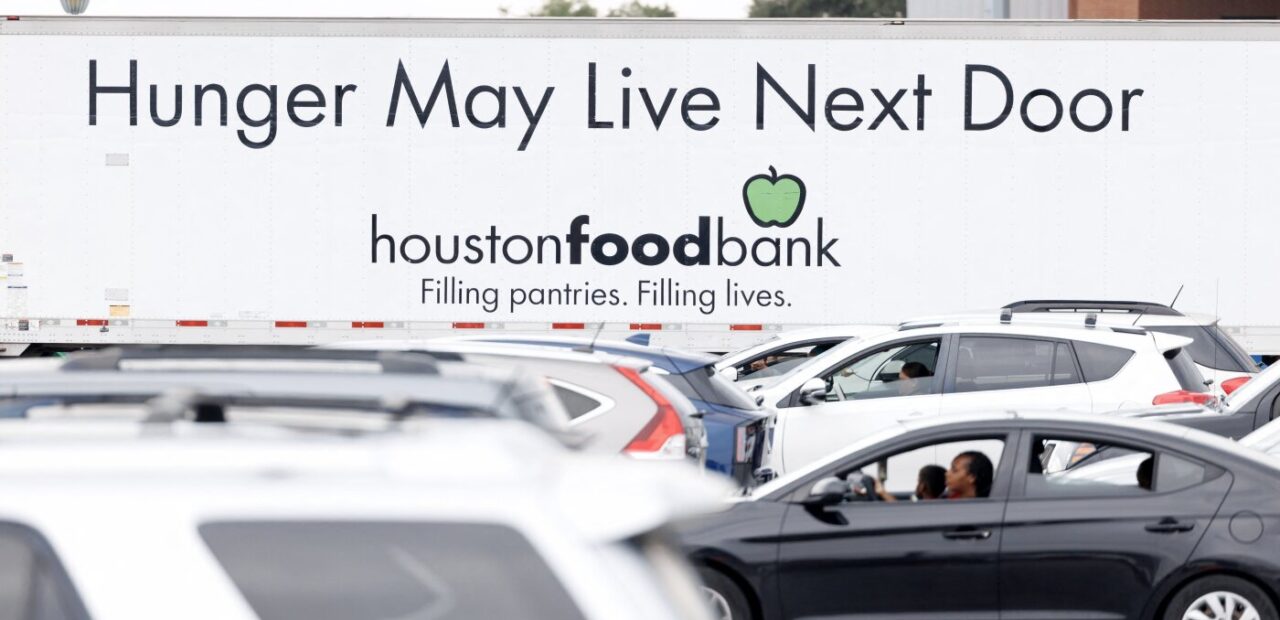
A new survey from the Federal Reserve Bank of New York shows that food insecurity in the United States is more widespread than at the height of the COVID-19 pandemic six years ago. The February 2026 survey found that 10% of families reported missing meals due to a lack of food, and nearly 16% relied on food donations. Among households earning less than $50,000 a year, rates of food insecurity were about twice as high, with nearly 20% forced to skip meals. The New York Fed analysis describes a “K-shaped economy” in which higher-income households continue to see gains while lower-income households face financial strain. Pandemic-era relief payments and expanded SNAP benefits have ended, while food prices have risen sharply. The survey also found that nearly 18% of families received SNAP benefits, up from 10.6% in 2020. Food bank operators in several states report seeing long lines and increased demand for assistance.
What’s verified
The New York Fed survey found higher levels of food insecurity in early 2026 than during the summer of 2020.
Nationwide, 10% of families reported missing meals for lack of food, and nearly 16% relied on food donations.
Among families earning less than $50,000 per year, nearly 20% reported skipping meals.
The share of families receiving SNAP benefits rose to nearly 18% in 2026 from 10.6% in 2020.
Observers describe a “K-shaped economy” with a growing divide between higher-income and lower-income households.
Pandemic-era government relief payments and expanded SNAP benefits have ended.
Not yet confirmed
One source reports that the Agriculture Department halted its own research on food insecurity last year, saying the studies did “nothing more than fear monger.” This was not mentioned in the other source.
The New York Fed blog provides additional methodological details (monthly internet-based survey, rotating panel of roughly 1,200 household heads) and findings on debt delinquency expectations and job-finding expectations that are not included in the other report.
The names and quotes of specific food bank operators appear in only one source.
Neither source clarifies whether the February 2026 survey was conducted before or after the reported spike in gasoline prices due to the U.S. war with Iran.
Key figures
Amy Breitmann, CEO, Golden Harvest Food Bank (Augusta, Ga.)
Nicole Williams, CEO, Community Food Bank of Central Alabama
Gizem Kosar, economist at the Federal Reserve Bank of New York
Ishva Mehta, research analyst at the Federal Reserve Bank of New York
Wilbert van der Klaauw, economist at the Federal Reserve Bank of New York
Sources: NPR, libertystreeteconomics.newyorkfed.org