



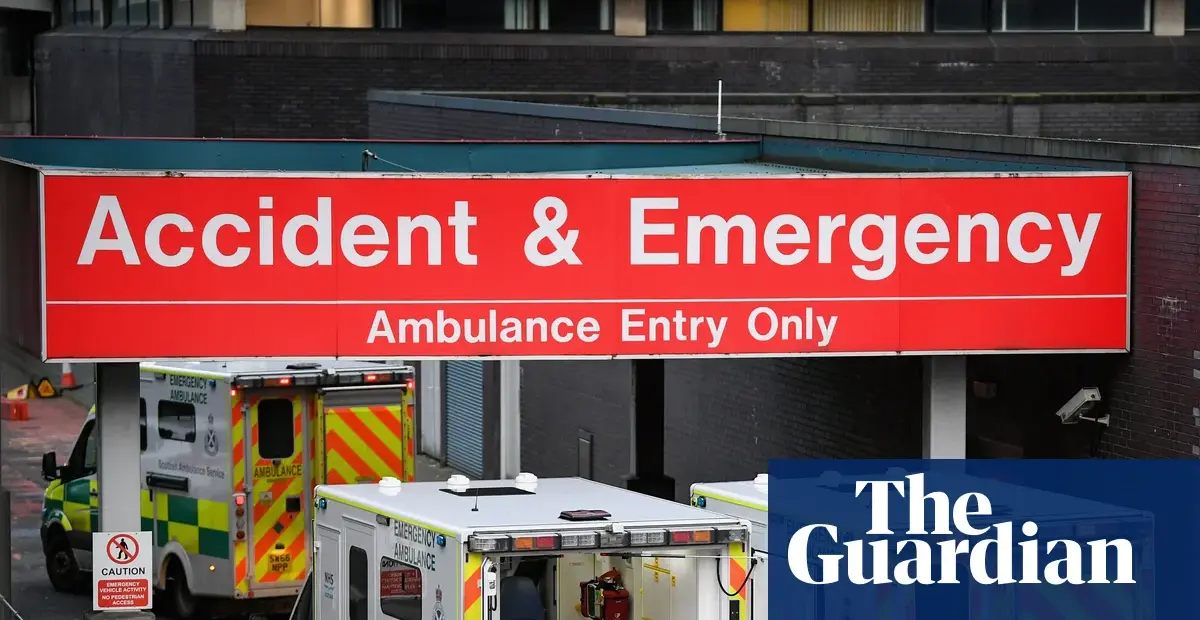
NHS data sharing could reduce A&E visits by 20,000 a year, government says

The government has stated that sharing access to patient health data across NHS providers in England could result in 20,000 fewer A&E visits per year and save £20m annually. This claim comes before the second reading of the NHS modernisation bill on Monday, which includes measures for single patient records (SPR) for every person receiving health and social care in England. The Department of Health and Social Care predicts that combining SPRs with virtual care would reduce A&E attendances for frail patients by about 10,000 a year, with another 10,000 fewer visits due to fewer misdiagnoses, saving doctors about 500,000 hours yearly. The bill also abolishes NHS England, transferring its functions to the DHSC, and introduces targeted measures for local decision-making through integrated care boards. The British Medical Association has called for doctors to remain in control of GP data rather than the DHSC, warning that taking control away could damage trust. New Health Secretary James Murray, who took the post after Wes Streeting resigned last month, said it was important the new system was built with absolute trust and strict legal safeguards.
What’s reported
The government claims sharing patient data across NHS providers could reduce A&E visits by 20,000 per year and save £20m annually.
The NHS modernisation bill includes single patient records (SPR) for every person receiving health and social care in England.
Combining SPRs with virtual care is predicted to reduce A&E visits for frail patients by about 10,000 a year.
Another 10,000 fewer A&E visits are expected due to fewer misdiagnoses.
The Department of Health and Social Care predicts 500,000 hours saved for doctors annually.
The DHSC also forecasts 6,000 fewer hospital admissions a year from avoided A&E attendances, better heart failure management, and improved mental health care.
The £20m savings would come from reducing medication errors, adverse drug reactions, and duplicate prescribing.
Maternity and frailty care are expected to benefit from 2027.
Patients would have control over their care with safeguards and audit trails.
The British Medical Association has called for doctors to remain in control of GP data rather than the DHSC.
The bill abolishes NHS England and transfers its functions to the DHSC.
NHS Online, a virtual hospital model launching in 2027, aims to provide the equivalent of up to 8.5m appointments in its first three years.
Open questions
How the DHSC will become a data controller for GP records is not fully specified.
The specific technical design and security protocols of the single patient record system are not described.
The circumstances surrounding Wes Streeting’s resignation as health secretary are not detailed.
Key figures
James Murray, Health Secretary
Wes Streeting, former Health Secretary
British Medical Association (GP committee)
Department of Health and Social Care (DHSC)
Sources: The Guardian