



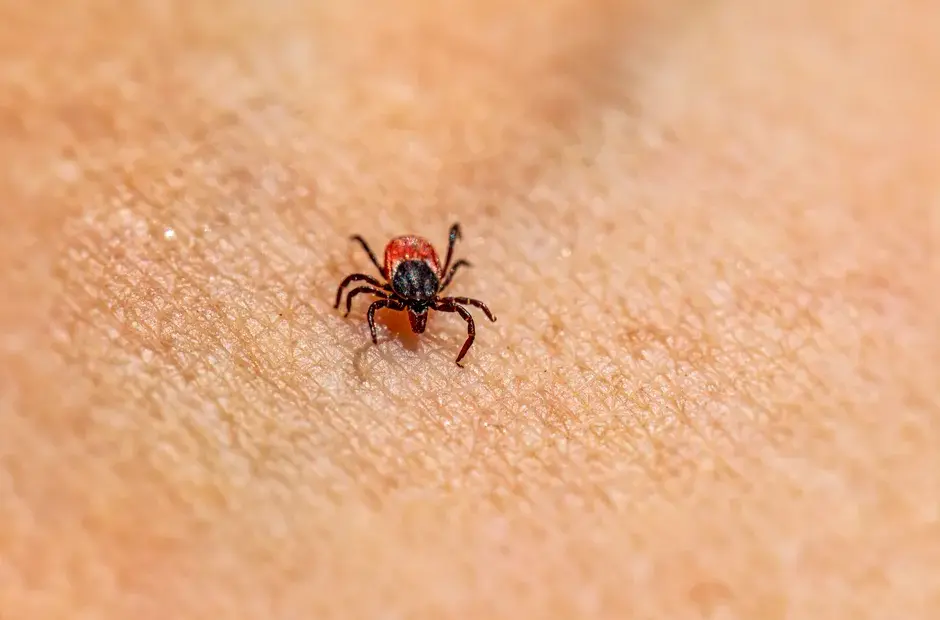
Tick Bite ER Visits Reach Highest Seasonal Levels Since 2017, CDC Data Shows

8 verified3 unconfirmed
Data from the Centers for Disease Control and Prevention (CDC) shows that tick bite-related emergency room visits have reached their highest seasonal levels since 2017 across most U.S. regions. The Northeast saw the largest increase, with the Midwest being the second-most-affected region. The rise in tick bites is linked to higher tick populations, driven in part by climate change, which leads to warmer winters and expanded tick habitats. Lyme disease remains the most common tick-borne illness in the United States, with hundreds of thousands of cases diagnosed annually. Experts point to the expansion of blacklegged ticks, recovery of white-tailed deer populations, and suburban development as factors increasing human exposure. Prevention strategies include using EPA-approved repellents, wearing light-colored clothing, and performing full-body tick checks after spending time outdoors.
What’s verified
CDC data shows tick bite-related ER visits across most U.S. regions are at their highest seasonal levels since 2017.
The Northeast saw the largest increase in tick-related ER visits, followed by the Midwest.
Lyme disease is the most common tick-borne disease in the United States.
A classic symptom of Lyme disease is a “bull’s-eye” rash known as erythema migrans.
Climate change—including warming temperatures and milder winters—is a contributing factor to expanding tick populations and longer tick activity seasons.
White-tailed deer are described as critical hosts for adult blacklegged ticks, fueling tick abundance.
Recommended prevention includes using EPA-approved repellents, wearing long sleeves and pants, and conducting full-body tick checks.
Approximately 400,000 to 476,000 Americans are diagnosed and treated for Lyme disease each year, according to CDC data.
Not yet confirmed
One source reports that around 31 million people in the United States are bitten by a tick each year, but this figure is not confirmed by the other source.
One source mentions specific emerging tick-borne threats such as Powassan virus and alpha-gal syndrome, which are not addressed by the other source.
The sources do not specify whether the rise in ER visits is primarily due to more tick encounters or increased public awareness, though one expert speculated on both factors.
Key figures
Dr. Steven Goldberg, family medicine physician at UofLHealth in Louisville, Kentucky
Dr. Suraj Saggar, chief of infectious disease at Holy Name Medical Center in Teaneck, New Jersey
Robert Glatter, MD, attending physician at Lenox Hill Hospital and assistant professor at Zucker School of Medicine
Jonathan Jennings, MD, board certified internist with Medical Offices of Manhattan
Nicole Baumgarth, DVM, PhD, director of the Lyme and Tickborne Diseases Research and Education Institute at Johns Hopkins Bloomberg School of Public Health
Sources: foxnews.com, healthline.com