



Crisis comparisons drawn between Covid and Iran Strait of Hormuz closure

The Story
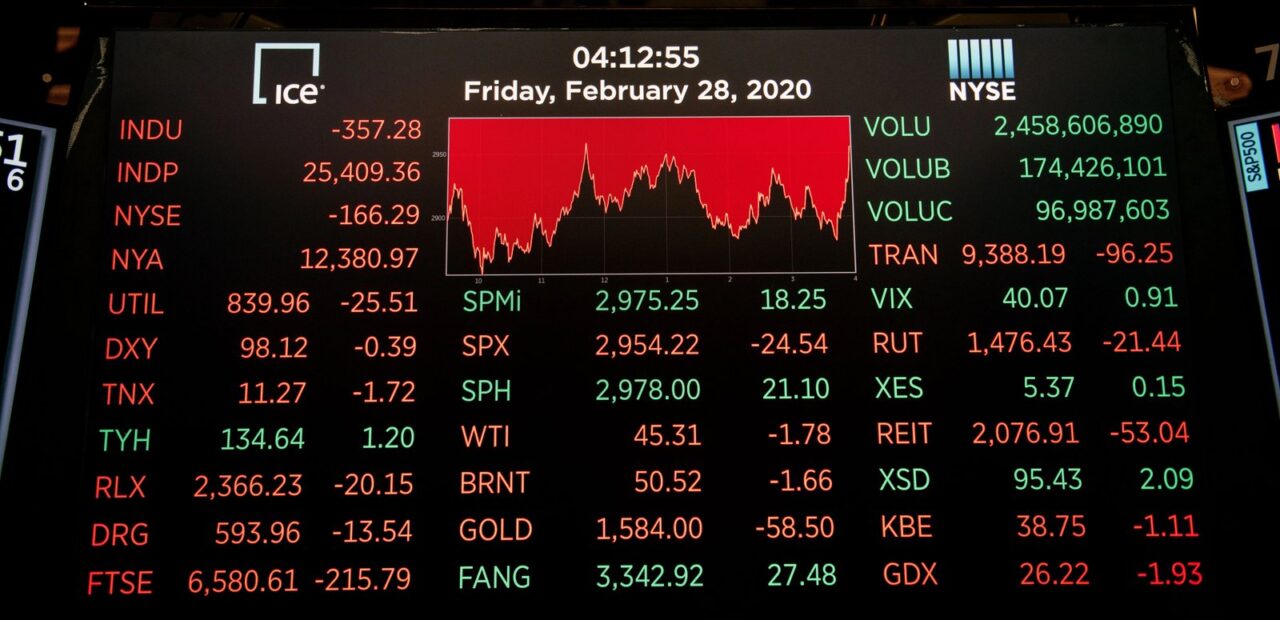
A Vox article draws parallels between the early weeks of the Covid-19 pandemic and the current economic situation surrounding the war with Iran and closure of the Strait of Hormuz. The author, who previously wrote a 2017 magazine cover story warning of a pandemic, admits he was nonchalant about Covid in early 2020 and failed to foresee the global shutdown. The article reports that the International Energy Agency calls the Strait of Hormuz closure the largest disruption in global oil market history, with global supply down more than 10 million barrels per day in March. The Atlantic Council is cited as noting that the 1973 oil embargo pulled 7 percent of global supply off the market, while Hormuz has cut supply by 13 percent. The article describes downstream effects including a Mississippi corn farmer reporting fertilizer up 60 percent, propane queues in Dhaka, the Philippines declaring an energy emergency, rationing in South Korea, Thailand, and Vietnam, and Lufthansa canceling 20,000 summer flights. Despite these events, the S&P 500 hit another all-time high in the same week. The article explains this disconnect using the “ostrich paradox,” citing six biases from Wharton economists Robert Meyer and Howard Kunreuther: myopia, amnesia, optimism, inertia, simplification, and herding.
Key Facts
- The author wrote a 2017 magazine cover story warning of a pandemic, yet was nonchalant about Covid in early 2020.
- The International Energy Agency calls the Strait of Hormuz disruption the largest in global oil market history, with supply down more than 10 million barrels per day in March.
- The Atlantic Council notes the 1973 oil embargo pulled 7 percent of global supply; Hormuz has cut supply by 13 percent.
- A 73-year-old corn farmer in Como, Mississippi, told NPR he is buying diesel “hand to mouth” and fertilizer is up 60 percent.
- The Philippines declared a state of national energy emergency; South Korea, Thailand, and Vietnam are rationing fuel; Lufthansa canceled 20,000 summer flights.
- The S&P 500 hit a new all-time high in the same week these stories were on the front page of the New York Times.
- Wharton economists Robert Meyer and Howard Kunreuther identify six biases driving the “ostrich paradox”: myopia, amnesia, optimism, inertia, simplification, and herding.
Conflicting Reports
No conflicting reports identified in the source article.
Still Unclear
The article does not specify when the Strait of Hormuz closure began or how long it is expected to last.
Misconceptions
No widespread misconceptions addressed in the source article.
Key Figures
- Robert Meyer (Wharton economist)
- Howard Kunreuther (Wharton economist)
- Daniel Gilbert (Harvard psychologist)
- Rachit Dubey (UCLA researcher, author of a 2025 Science paper)
- President Donald Trump (quoted saying Covid would “go away”)
- Mark Dowding (chief investment officer at RBC BlueBay)
- Princeton Policy Advisors (forecast US recession beginning in May)
- IMF (projected 3.3% global growth in January, cut baseline to 3.1%, adverse scenario at 2.5%)
Sources: vox.com