

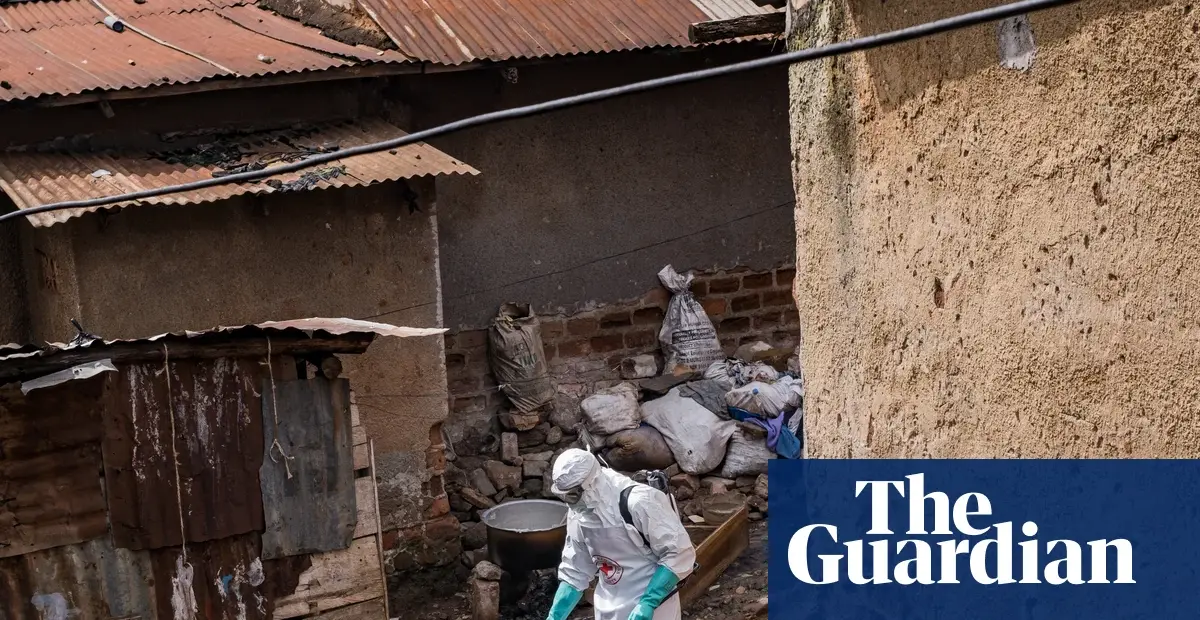
Ebola Outbreak in DRC Hampered by Attacks, Mistrust, and Aid Cuts

The Story
A rare and untreatable strain of Ebola is spreading rapidly in eastern Democratic Republic of Congo, with suspected cases nearing 1,000 and hundreds of suspected deaths. The Bundibugyo virus type, for which there is no vaccine or specific treatment, was detected weeks after it began circulating in Ituri province, a conflict-affected region with limited medical infrastructure. Multiple attacks on healthcare facilities over the past week have forced patients to flee and medical staff to evacuate under gunfire. Community mistrust, including beliefs that the virus does not exist or was introduced by humanitarian workers, is complicating containment efforts. The World Health Organization has declared the outbreak a public health emergency of international concern. Health workers have been among the fatalities, including doctors, nurses, and Red Cross volunteers. Officials warn that cuts to U.S. and other humanitarian aid have weakened disease surveillance and response capacity compared to previous Ebola outbreaks.
Key Facts
- The outbreak is caused by the rare Bundibugyo type of Ebola, which has no available vaccine or treatment.
- Suspected cases have surpassed 900, with hundreds of suspected deaths reported.
- At least three attacks on healthcare facilities occurred in the past week, including a hospital storming, a tent set on fire, and a treatment center burned down.
- Community mistrust is widespread, with some residents denying the virus exists or accusing aid workers of bringing it.
- The World Health Organization has classified the outbreak as a public health emergency of international concern.
- The outbreak was likely circulating for weeks before being formally declared on May 15, 2026.
- Healthcare workers have been infected and died, including doctors, nurses, and three Red Cross volunteers.
- U.S. and other humanitarian aid cuts have significantly reduced funding for disease surveillance and response in the DRC.
Conflicting Reports
Sources disagree on the suspected death toll. The Guardian reports at least 240 suspected deaths. NPR, citing the WHO director general, reports more than 220 suspected deaths. ABC News reports that the Congolese Ministry of Communication said there were 119 suspected deaths, but the regional numbers it provided add up to 220, and officials did not explain the discrepancy.
Still Unclear
- The exact number of healthcare workers infected and killed is not fully confirmed. The Guardian reports five doctors and nurses died at one hospital, including Dr. Vladimir Maduali and Dr. Tibenderana Katho Blaise. NPR reports three Red Cross volunteers died, and a coordinator named Rubens Dhedgia reported a doctor’s death. ABC News reports three IFRC volunteers died. (Single-source claims from each outlet)
- The U.S. is building a quarantine and treatment center in Kenya for Americans affected by the outbreak, according to The Guardian. (Single-source claim)
- University of Oxford scientists are working on an Ebola vaccine that could be ready for clinical trials within two months, as reported by The Guardian. (Single-source claim)
- The exact timeline of the outbreak’s start remains unclear. The three Red Cross volunteers may have contracted the virus on March 27, which would push back the timeline significantly, but this has not been confirmed. (Noted by NPR and ABC News)
- The fate of 18 people with suspected Ebola who fled a burned tent facility in Mongbwalu on Saturday is unknown. (Reported by ABC News)
Misconceptions
No widespread misconceptions addressed in the sources beyond those already covered in the report. The sources themselves document that some residents believe Ebola is a myth or a “white man’s invention,” but the articles do not attempt to correct or debunk that belief beyond presenting the factual disease transmission and response.
Key Figures
- Dr. Richard Lokudu, medical director of Mongbwalu General Hospital
- Dr. Rubens Dhedgia, coordinator of the Ebola response in Ituri (NPR)
- Dr. Papys Lame, Ebola outbreak response coordinator for Alima (Guardian)
- Heather Kerr, country director for the International Rescue Committee (NPR)
- Yakubu Mohammed Saani, country director for Action Aid in Congo (NPR)
- Selena Victor, senior director of policy and advocacy for Mercy Corps (Guardian)
- Tedros Adhanom Ghebreyesus, WHO director general (NPR, Guardian)
Sources: The Guardian, NPR, abcnews.com