


Ebola Bundibugyo Outbreak Sparks Clinic Attacks, WHO Appeals for Ceasefire

The Story
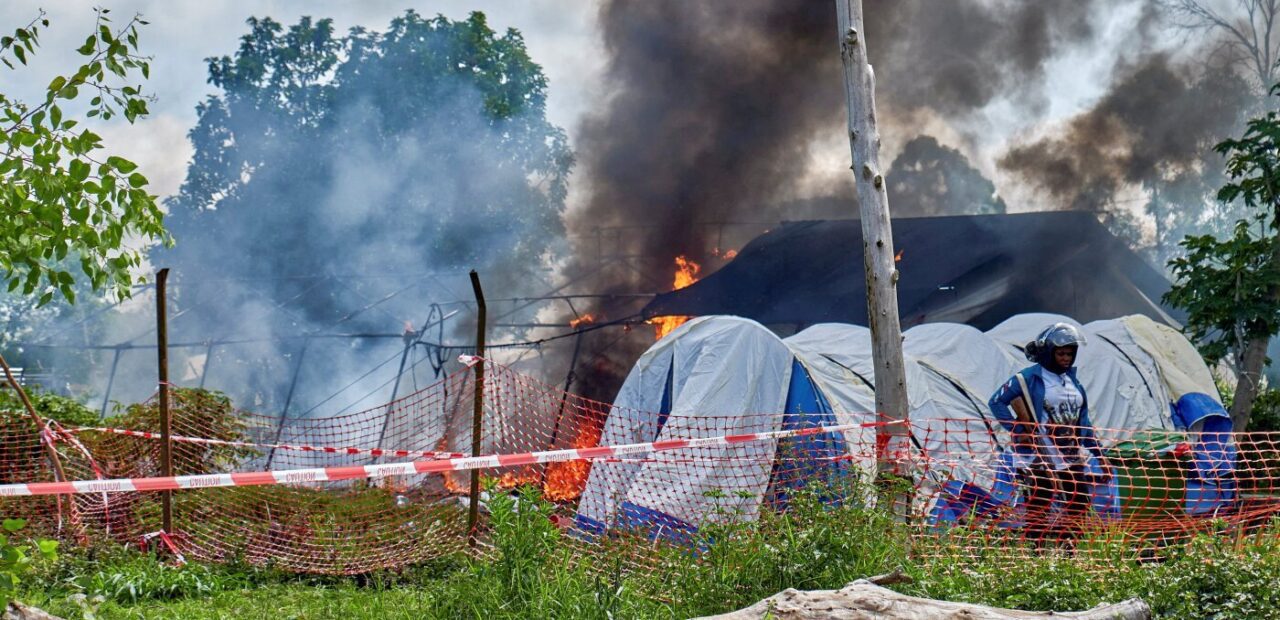
The Ebola outbreak in the Democratic Republic of Congo is caused by the Bundibugyo virus, which has no approved vaccines or treatments. More than 1,000 suspected cases and at least 220 deaths have been reported, primarily in Ituri province. Community mistrust has resulted in at least three attacks on health centers, fueled by concerns over burial practices and misinformation. The World Health Organization declared the outbreak a public health emergency of international concern. Its director-general, Tedros Adhanom Ghebreyesus, appealed for a ceasefire in the conflict-affected region to allow health workers to reach those in need. Cases have also been reported in North Kivu and South Kivu provinces. The response faces challenges including insecurity, limited supplies, and distrustful populations.
Key Facts
- The outbreak is caused by the Ebola Bundibugyo virus, for which there are no approved vaccines or treatments. (Sources 3, 4)
- More than 1,000 suspected cases and at least 220 deaths have been reported. (Sources 2, 4)
- The World Health Organization declared the outbreak a public health emergency of international concern. (Sources 1, 3, 4)
- Communities in Ituri province attacked health centers at least three times, driven by mistrust and conflicts over burial practices. (Sources 1, 4)
- The WHO director-general appealed for a ceasefire to allow health workers to reach affected communities. (Sources 3, 4)
- Cases have also been reported in North Kivu and South Kivu provinces. (Sources 3, 4)
Conflicting Reports
No conflicting reports identified across sources.
Still Unclear
- The U.S. government plans to treat Americans exposed to Ebola in Kenya rather than allowing them to return to the U.S. (Source 2, NPR — Single-source claim)
- The U.S. announced an additional $80 million in aid to Congo and Uganda, bringing total commitment to over $112 million. (Source 4, abcnews.com — Single-source claim)
- The European Union donated supplies that arrived in Bunia. (Source 4, abcnews.com — Single-source claim)
- The first survivor of the Bundibugyo virus was discharged from a health center. (Source 4, abcnews.com — Single-source claim)
- Uganda has confirmed seven cases and one death. (Source 4, abcnews.com — Single-source claim)
- Funding pledges for Africa’s response dropped from $500 million to $290 million as partners withdrew. (Source 4, abcnews.com — Single-source claim)
Misconceptions
Source 1 (NPR) reports that rumors in the DRC include false claims that Ebola is not real, that humanitarian workers are profiting, and that effective medicines are being withheld. Some community members believe vaccines and treatments exist but are not being provided. No other sources address specific misconceptions.
Key Figures
- Dr. Babou Rukengeza, Ebola Response Health Lead for Save the Children in DRC
- Dr. Micaela Serafini, president of Doctors Without Borders Switzerland
- Dr. Jean Kaseya, director general of the Africa Centers for Disease Control and Prevention
- Debra Houry, former chief medical officer for the U.S. CDC
- Tedros Adhanom Ghebreyesus, WHO Director-General
- Samuel Roger Kamba, Congolese Health Minister
- Jérôme Kouachi, head of emergency operations at UNICEF in Congo
- Thérèse Kayikwamba Wagner, Congo Foreign Minister
- Max Lieblich, emergency program manager for Catholic Relief Services in northeastern DRC
Sources: NPR, World Health Organization, abcnews.com