


New raptor-like dinosaur Kank australis may have fished like a heron

The Story
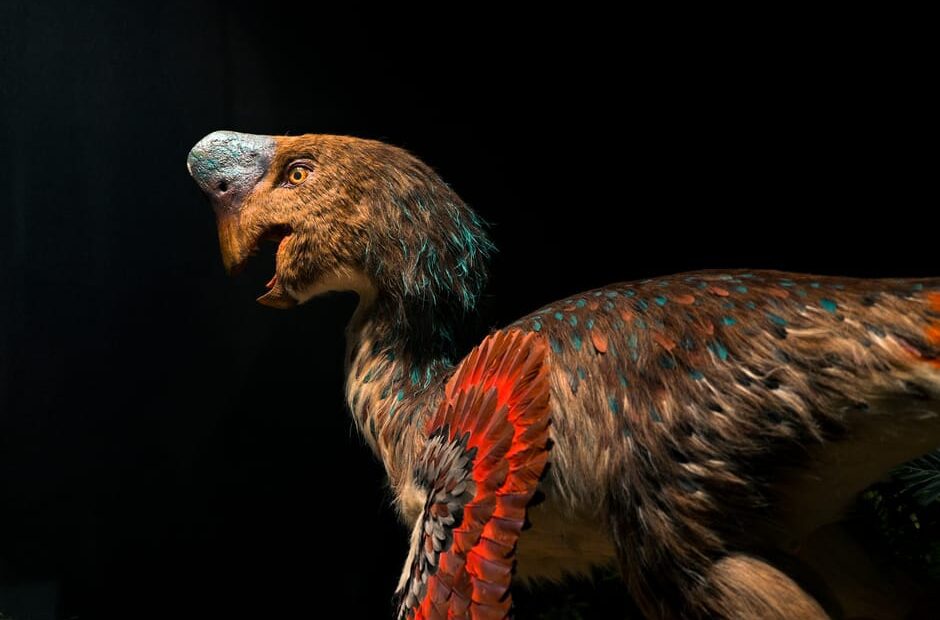
A newly described raptor-like dinosaur from Patagonia, named Kank australis, may have hunted fish using a long flexible neck similar to modern herons, according to a study in the Journal of Vertebrate Paleontology. The 70-million-year-old fossils were found at La Anita farm near El Calafate in Santa Cruz Province, Argentina. The study suggests that unlike typical portrayals of raptors as agile terrestrial predators, Kank australis appears to have been adapted for fishing.
Key Facts
- The dinosaur is named Kank australis, classified as an unenlagiid, and lived about 70 million years ago in what is now southern Patagonia.
- Researchers estimate adult Kank reached a length of roughly 2.5 to 3 meters (8 to 10 feet).
- The species was described by paleontologist Dr. Matías Motta of the Bernardino Rivadavia Natural Sciences Museum in Buenos Aires and colleagues.
- The fossils include teeth, vertebrae, and toe bones; a cervical vertebra discovered in 2024 was key to identifying it as a new species.
- The dinosaur’s neck vertebrae show structures for muscle attachment and protection of neck blood vessels, adaptations seen in modern birds like herons.
- Its remains were found alongside fish fossils, reinforcing the idea of a fish-eating lifestyle, but it likely also hunted frogs, lizards, turtles, and mammals.
- Kank coexisted with larger predators such as Maip macrothorax, a megaraptorid dinosaur over 10 meters long.
- The name “Kank” refers to a giant rhea in Aonikenk mythology associated with the Southern Cross constellation; “australis” means “from south.”
- The study was published in the Journal of Vertebrate Paleontology and reported by the Taylor & Francis Group via ScienceDaily.
Conflicting Reports
No conflicting reports identified in the source article.
Still Unclear
No open questions identified in the source article.
Misconceptions
No widespread misconceptions addressed in the source article.
Key Figures
- Dr. Matías Motta, paleontologist at the Bernardino Rivadavia Natural Sciences Museum in Buenos Aires
Sources: ScienceDaily