
Congo Ebola outbreak challenges health workers as cases spread, WHO chief visits

The Story
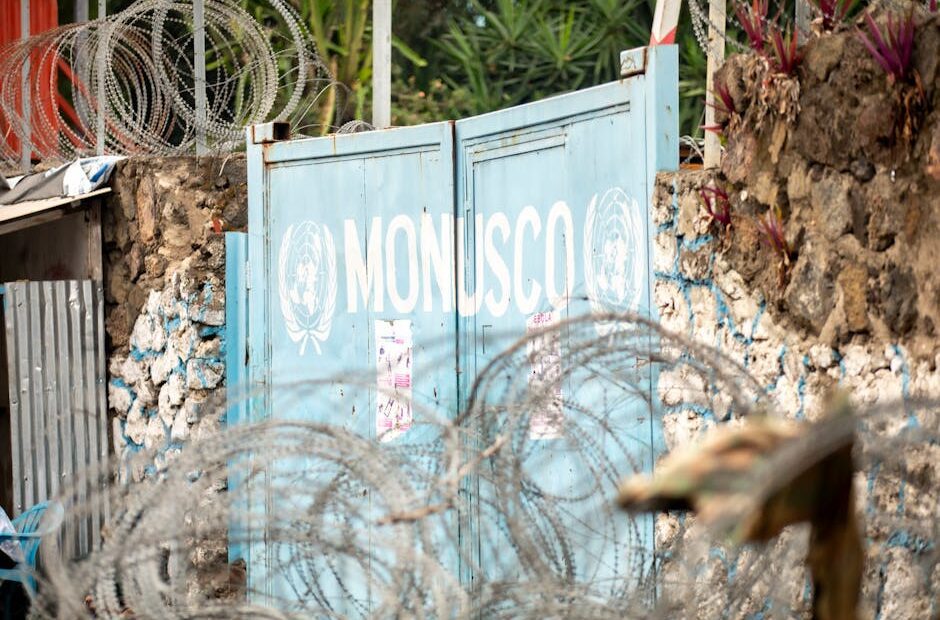
An Ebola outbreak of the rare Bundibugyo strain is spreading in eastern Democratic Republic of Congo, with health workers facing equipment shortages, local distrust, and ongoing armed conflict. The World Health Organization has declared the outbreak a public health emergency of international concern, and its director-general is traveling to the region to assess the response.
Key Facts
- The outbreak involves the Bundibugyo strain of Ebola, for which there is no approved vaccine or treatment.
- More than 1,000 suspected cases and at least 220 deaths have been reported, though exact figures vary across sources.
- The WHO declared the outbreak a public health emergency of international concern.
- WHO Director-General Tedros Adhanom Ghebreyesus is traveling to Congo to see response efforts firsthand.
- Uganda has confirmed seven cases and one death linked to the outbreak.
- Response efforts have been hampered by local distrust, attacks on health centers, and the presence of armed groups in eastern Congo.
- Canada has imposed travel restrictions requiring self-isolation for travelers from affected regions and a 90-day entry ban for residents of Congo, Uganda, and South Sudan. The United States has banned non-citizens who have traveled to those countries from entering.
- Aid supplies, including masks, gloves, and medications donated by the European Union, are arriving in the region, but shortages of basic hygiene materials persist.
Conflicting Reports
- The number of suspected cases differs: Sources 1, 2, and 3 report more than 1,000 suspected cases, while Source 4 states “more than 900 suspected cases.”
- The death toll varies: Sources 1 and 3 report at least 220 deaths; Source 2 reports up to 246 suspected deaths.
- The epicenter is described differently: Source 2 identifies Mongbwalu in Ituri province as the epicenter; Source 1 and Source 3 refer to Bunia as being at the heart of the outbreak.
Still Unclear
- The exact number of confirmed vs. suspected cases and deaths remains uncertain, with the WHO estimating the outbreak is larger than reported (Source 1, single-source claim).
- Whether the virus is spreading in displacement camps near Bunia is not yet confirmed by authorities (Source 3 reports a camp with 10,000 residents lacks basic hygiene – single-source claim).
- The duration of the outbreak: the WHO says it could last for months (Source 4, single-source claim).
- The United States is establishing a facility in Kenya for Americans potentially exposed to Ebola but not showing symptoms (Source 2, single-source claim).
Misconceptions
No widespread misconceptions addressed in the sources. The sources do report that local populations in Ituri province distrust health workers, with some believing Ebola is a “mystic illness” or that hospital personnel are injecting people with the virus (Source 2). No source explicitly corrects these beliefs.
Key Figures
- Dr. Tedros Adhanom Ghebreyesus – Director-General of the World Health Organization
- Dr. Esther Sterk – tropical disease specialist, Doctors Without Borders, working in Mongbwalu
- Dr. Richard Lokudi – hospital director, Mongbwalu
- Lt. Gen. Johnny Luboya – military governor of Ituri province
- Thérèse Kayikwamba Wagner – Foreign Minister of the Democratic Republic of Congo
- Jérôme Kouachi – head of emergency operations at UNICEF in Congo
- Heather Kerr – Congo director, International Rescue Committee
- Gabriela Arenas – regional coordinator, International Federation of Red Cross and Red Crescent Societies
- Francine Leve Janguzi – resident of the ISP displacement camp in Bunia
Sources: abcnews.com, NPR