


Galapagos animals show El Niño survival strategies, scientists warn of extinction risk

7 reported
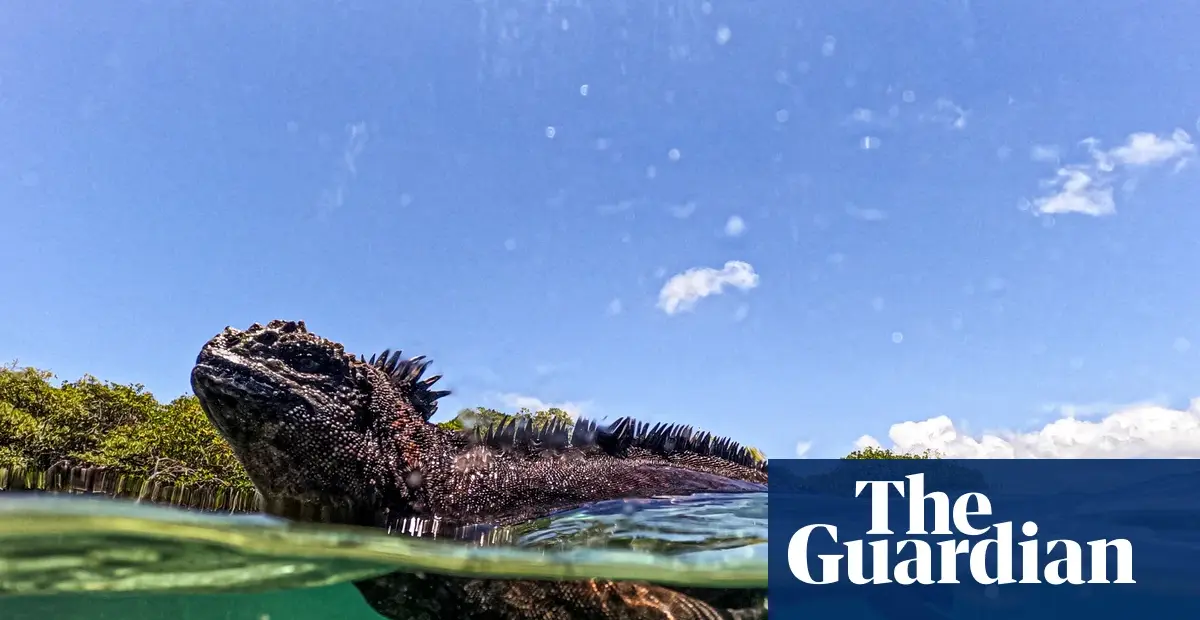
The ocean waters around the Galápagos Islands are very hot due to the El Niño weather phenomenon, which begins when prevailing trade winds slow and allow warm water to spread east along the coast of South America. The pattern is currently in full flow and will build from this year into next, likely bringing record temperatures. If 2026 is not the hottest year on record, 2027 surely will be, and the Galápagos archipelago is at the center of this climate crisis. In normal conditions, the water in the eastern Pacific is cold, allowing penguins and fur seals to live on the islands alongside coral reefs. El Niño causes water temperatures to rise from around 18C to above 30C, leading to a population crash in many fish species and freefalls in sea bird populations, while marine iguanas starve en masse. Many species have adapted to these oscillations, with iguanas able to shrink their body skeletons in El Niño years and regrow them when normal conditions return. However, climate change presents a fresh evolutionary challenge as El Niños become more frequent and extreme, raising fears among scientists that these extremes could drive some species into extinction in the coming decades.
What’s reported
The El Niño weather phenomenon begins when prevailing trade winds slow, allowing warm water to spread east along the coast of South America.
Water temperatures around the Galápagos rise from around 18C to above 30C during El Niño.
During El Niño, populations of sea birds such as Nazca boobies, penguins, and blue-footed boobies go into freefall, and marine iguanas starve en masse.
Galápagos iguanas can shrink their body skeletons in El Niño years and regrow them when normal conditions return.
During the severe 1982-83 El Niño, several endemic species on the Galápagos went extinct, including the Galápagos damselfish.
Jon Witman, a professor emeritus of ecology at Brown University, recorded an ulcerative skin disease outbreak in many fish species during the 2015-16 El Niño.
Witman says he is quietly optimistic about what the islands will be able to withstand, even as the Earth continues to heat.
Key figures
Jon Witman, professor emeritus of ecology at Brown University
Sources: The Guardian