

Magma rivers once flowed beneath Mars crust, study finds

10 reported
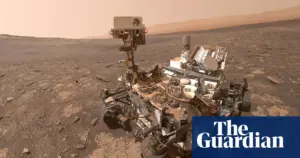
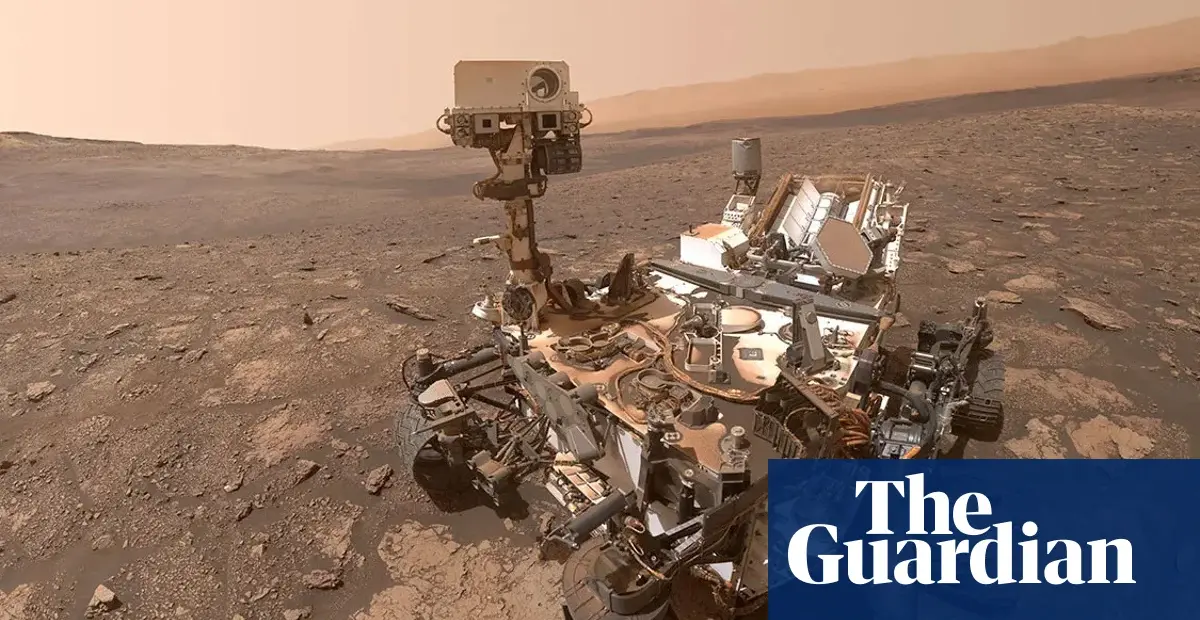
New research suggests Mars once had rivers of magma bubbling beneath its crust, a finding that increases the likelihood the planet could have supported life. Researchers at the University of Oxford analyzed seismic data from NASA’s Insight Lander, which recorded waves from meteorite impacts and Martian quakes. The team examined a mysterious boundary 15 miles (24km) below the surface. Their findings, published in Nature Astronomy, indicate the most likely cause was molten rock pooling deep underground and stretching sideways for hundreds or thousands of miles. This suggests a more complex interconnected plumbing system than previously assumed, capable of creating a chemically complex crust and recycling elements. Such processes could help generate an atmosphere and ocean on the surface and regulate the climate, a function previously thought only possible on planets with plate tectonics. The study widens the selection of rocky planets that may once have been habitable.
What’s reported
Researchers at the University of Oxford studied data from NASA’s Insight Lander.
The data included seismic waves from meteorite impacts and Martian quakes.
The team analyzed a boundary 15 miles (24km) below the Martian surface.
The findings were published in Nature Astronomy.
The most likely cause of the boundary was molten rock pooling underground and stretching sideways for hundreds or thousands of miles.
Scientists had previously assumed Mars volcanoes had simple isolated magma chambers.
The new finding suggests a more complex interconnected plumbing system.
Such a system could make a chemically complex crust, recycle elements, and support processes needed for an atmosphere and ocean.
This could help regulate the climate, previously thought only possible on planets with plate tectonics.
The finding makes it more probable that Mars could have supported life.
Key figures
Researchers at the University of Oxford (no specific names given in the article)
NASA’s Insight Lander (mentioned as data source)
Sources: The Guardian