


Sugar-coated nanoparticles boost brain cancer survival in mice

8 reported
Researchers at Oregon State University have developed an experimental treatment for glioblastoma, the most aggressive form of brain cancer, using sugar-coated nanoparticles. In a mouse model, the therapy increased median survival time by 50% and shrank tumors without noticeable damage to other organs. The nanoparticles, covered with mannose sugar, cross the blood-brain barrier by targeting the GLUT1 transporter, which is overexpressed in glioblastoma cells. They carry messenger RNA that restores production of the tumor-suppressing protein PTEN, which is often missing or inactive in glioblastoma. The study was published in the Journal of Controlled Release and supported by the National Cancer Institute and other agencies. The findings are based on a single-source report from Oregon State University and have not been independently verified.
What’s reported
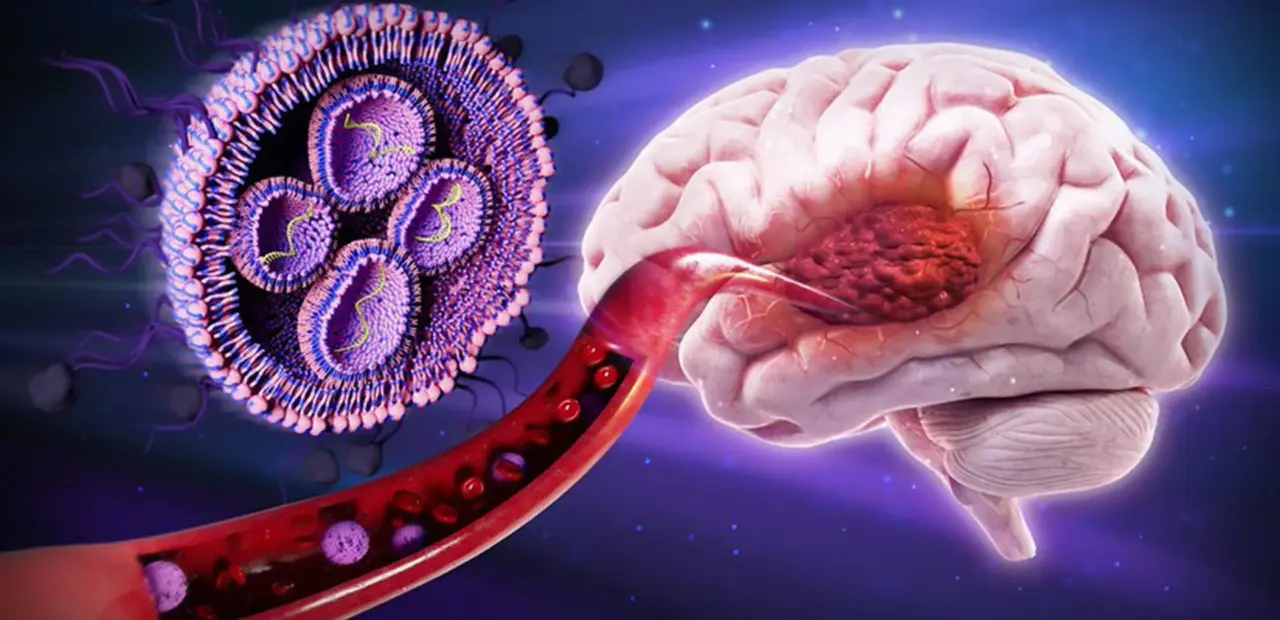
The experimental treatment uses lipid nanoparticles coated with mannose sugar to cross the blood-brain barrier.
The nanoparticles carry mRNA that directs cells to produce PTEN, a tumor-suppressing protein.
In mice, the therapy increased median survival by 50% and caused tumor shrinkage without measurable organ toxicity.
Glioblastoma cells express GLUT1 at three times the levels of normal brain tissue, helping particles accumulate in tumors.
The study was led by Oleh Taratula, Olena Taratula, and Yoon Tae Goo of the OSU College of Pharmacy.
Findings were published in the Journal of Controlled Release.
Fewer than 30% of glioblastoma patients survive two years after diagnosis; more than 95% die within five years.
The research was funded by the National Cancer Institute, the Eunice Kennedy Shriver National Institute of Child Health and Human Development, and the National Research Foundation of Korea.
Key figures
Oleh Taratula, Olena Taratula, Yoon Tae Goo, Vincent Cataldi, Vladislav Grigoriev, Neera Yadav, Tetiana Korzun, Chao Wang, Adam Alani — researchers at Oregon State University College of Pharmacy.
Sources: ScienceDaily