



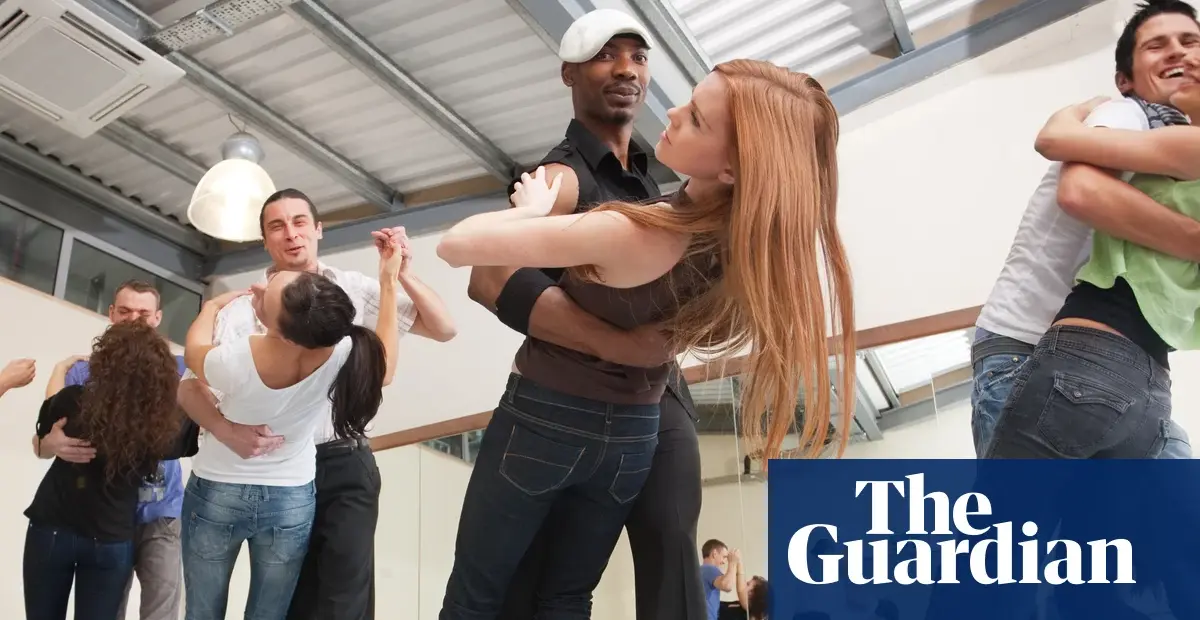
Oxford study links salsa classes to reduced depression and anxiety

11 reported
A randomized controlled trial by researchers at the University of Oxford and the Oxford Health NHS trust suggests that salsa dance classes may reduce symptoms of depression and anxiety in young adults. The study, published in Psychological Medicine, involved 121 participants aged 18 to 24 with mild to moderate depression and anxiety. Participants were randomly assigned to an eight-week salsa dance programme or a control group, and all completed mental health questionnaires before, during, and after the programme. The findings showed that those in the salsa group experienced a clinically significant greater reduction in depressive symptoms and social anxiety, as well as larger increases in daily happiness, compared to the control group. Lead author Brennan Delattre noted that salsa’s structured, physical, and social nature may make social contact more manageable for some people. However, Delattre said the results are not yet strong enough to support prescribing salsa as a stand-alone treatment for clinically diagnosed depression, and further clinical trials with active comparison groups would be necessary. The study follows previous research on social prescribing that found activities like karate, art classes, and book clubs improved resilience and relationships in adolescents on mental health waiting lists.
What’s reported
The study was a randomized controlled trial by the University of Oxford and Oxford Health NHS trust.
121 young adults aged 18 to 24 with mild to moderate depression and anxiety participated.
Participants were randomly assigned to a salsa dance programme or a control group.
The programme lasted eight weeks, with mental health questionnaires completed before, during, and after.
The study was published in the journal Psychological Medicine.
Salsa participants showed a clinically significant greater reduction in depressive symptoms and social anxiety than the control group.
Salsa participants also showed larger increases in daily happiness.
Lead author Brennan Delattre said the results are not strong enough to support prescribing salsa as a stand-alone treatment.
Delattre said GPs and social prescribing services could consider salsa as an optional wellbeing or adjunctive intervention.
Further clinical trials with active comparison groups would be necessary for stronger prescribing recommendations.
Previous research found adolescents on mental health waiting lists prescribed karate, art classes, Pokémon tournaments, book clubs, and nature walking clubs saw improvements in resilience, behavior, and relationships.
Key figures
Brennan Delattre, lead author of the research, University of Oxford and Oxford Health NHS trust.
Dr Daniel Hayes, lead author of previous social prescribing study, deputy director of the National Centre for Social Prescribing Data and Analysis at University College London.
Dr Keir Philip, clinical lecturer for the National Heart and Lung Institute at Imperial College London.
Sources: The Guardian