



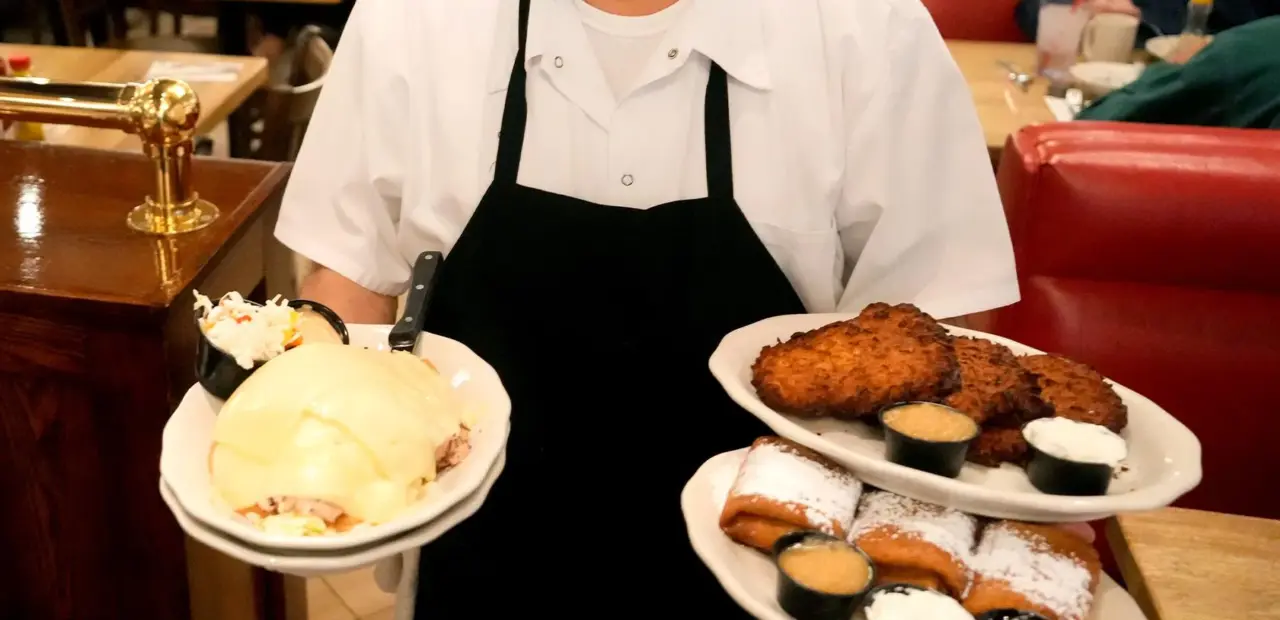
Food runners face changing duties and pay concerns amid delivery app growth

8 reported
A single-source report from Eater examines how the rise of third-party delivery services such as Grubhub, Caviar, DoorDash, and Uber Eats is altering the responsibilities and compensation of food runners in restaurants. The article notes that while much attention has been paid to delivery drivers and restaurant revenue, less has been said about food runners, who now often handle packing and handing off to-go orders in addition to traditional duties. According to ZipRecruiter, the average hourly wage for New York City food runners is roughly $14, and the average national income is around $28,400, not factoring in tips. A food runner named Jane, who works at a national restaurant group’s Brooklyn location, stated that about a quarter of her restaurant’s daily revenue comes from app orders, and that her workload has increased significantly due to Uber Eats. She hopes runners will receive a higher percentage of the tip pool given the added work of packaging orders and liaising with delivery drivers. Restaurant operators Markus Dorfmann of Aurora Restaurant Group and Kal Pant of Spice Room in Denver described different approaches to managing the balance between dine-in and app orders, with Pant saying he switches off third-party apps when overloaded to prioritize in-person customers.
What’s reported
The article is a single-source report from Eater, not cross-referenced with other outlets.
Third-party delivery services mentioned include Grubhub (founded 2004), Caviar (2012), DoorDash (2013), and Uber Eats (2014).
According to ZipRecruiter, the average hourly wage for New York City food runners is roughly $14, and the average national income is around $28,400 (not factoring in tips).
A food runner named Jane (name changed upon request) works at a national restaurant group’s Brooklyn location and stated that about a quarter of the restaurant’s daily revenue comes from app orders.
Jane stated that her workload has changed significantly in the past year due to increased Uber Eats orders, and that she hopes runners will receive a higher percentage of the tip pool.
Jane said management has been sympathetic to requests for more compensation but nothing has been done, and that staff sometimes turn off Uber Eats when managers leave.
Markus Dorfmann of Aurora Restaurant Group stated that his restaurant will pause app orders for short periods when overwhelmed, and that delivery apps are “icing on the cake” but not core business.
Kal Pant of Spice Room in Denver stated that he switches off third-party app orders when the restaurant is overloaded, and gives second preference to app customers to prioritize in-person diners.
Key figures
Jane (food runner, name changed upon request)
Markus Dorfmann (oversees operations for Aurora Restaurant Group since 2008)
Kal Pant (owner of Spice Room in Denver, Colorado)
Sources: eater.com