


British swallowtail butterfly subspecies dates back 200,000 years, study finds

8 reported
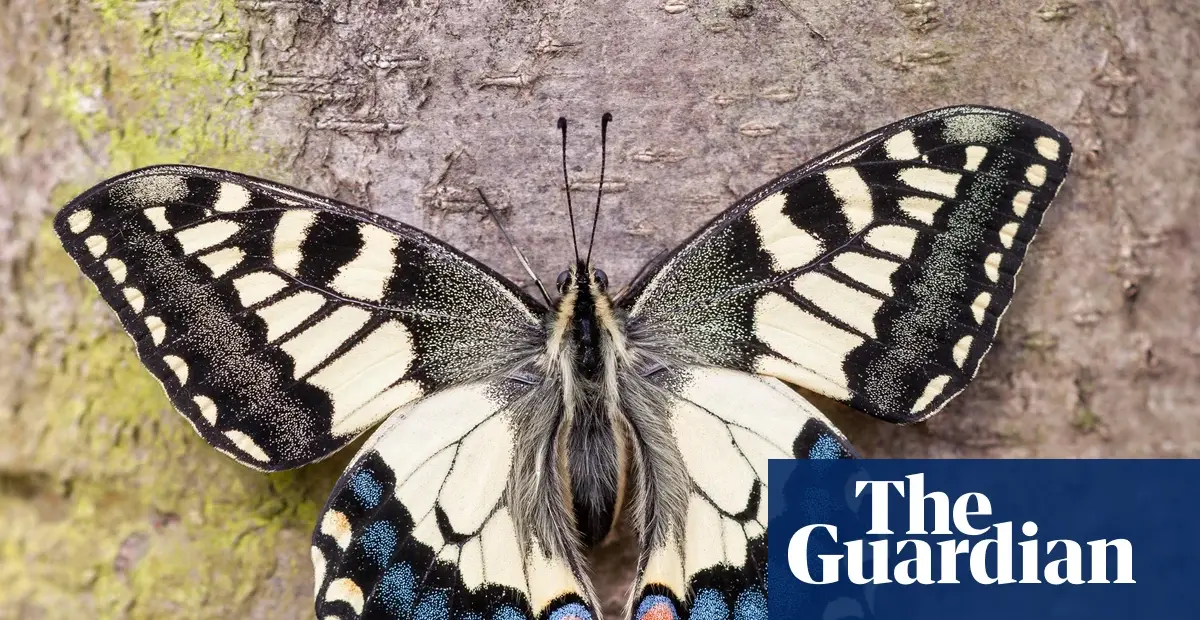
A new genetic study has found that the endangered British swallowtail butterfly, Papilio machaon britannicus, has been a distinct subspecies for at least 200,000 years, much longer than previously thought. The butterfly, which is smaller, darker, and rarer than its continental cousin, was believed to have developed its distinctive form over the last 8,000 years after the flooding of Doggerland. The whole-genome sequencing of swallowtail populations across Europe, published in Insect Conservation and Diversity, suggests britannicus is a wetland specialist that may have once been widespread across north European wetlands. The study found some evidence of inbreeding but concluded the surviving populations are not suffering from damaging mutations. The findings are expected to transform conservation approaches, as some experts had proposed introducing the more common continental subspecies to Britain, which could hybridize britannicus out of existence. Mark Collins, president of the Swallowtail and Birdwing Butterfly Trust and a co-author of the paper, said the genetic distinctiveness makes britannicus worthy of renewed conservation effort, noting it is protected by law as a unique part of natural heritage.
What’s reported
The British swallowtail subspecies Papilio machaon britannicus has been distinct for at least 200,000 years, according to a new genetic study.
Previous estimates placed its separation at about 8,000 years ago, after the flooding of Doggerland.
The study used whole-genome sequencing of swallowtail populations across Europe and was published in Insect Conservation and Diversity.
Some evidence of inbreeding was found, but no damaging mutations were detected in surviving populations.
The caterpillars of britannicus only reliably eat milk parsley, a rare wetland plant.
Both the butterfly and milk parsley are threatened by rising sea levels causing salination of the Norfolk Broads.
The continental subspecies Papilio machaon gorganus is becoming more common in Britain due to global heating, regularly breeding in Kent and Sussex.
Mark Collins stated that britannicus could survive if wetlands are preserved and the butterfly is translocated to new protected sites.
Key figures
Mark Collins, president of the Swallowtail and Birdwing Butterfly Trust and co-author of the paper.
Sources: The Guardian