


Abortion access shifts since Dobbs: four key developments

11 reported
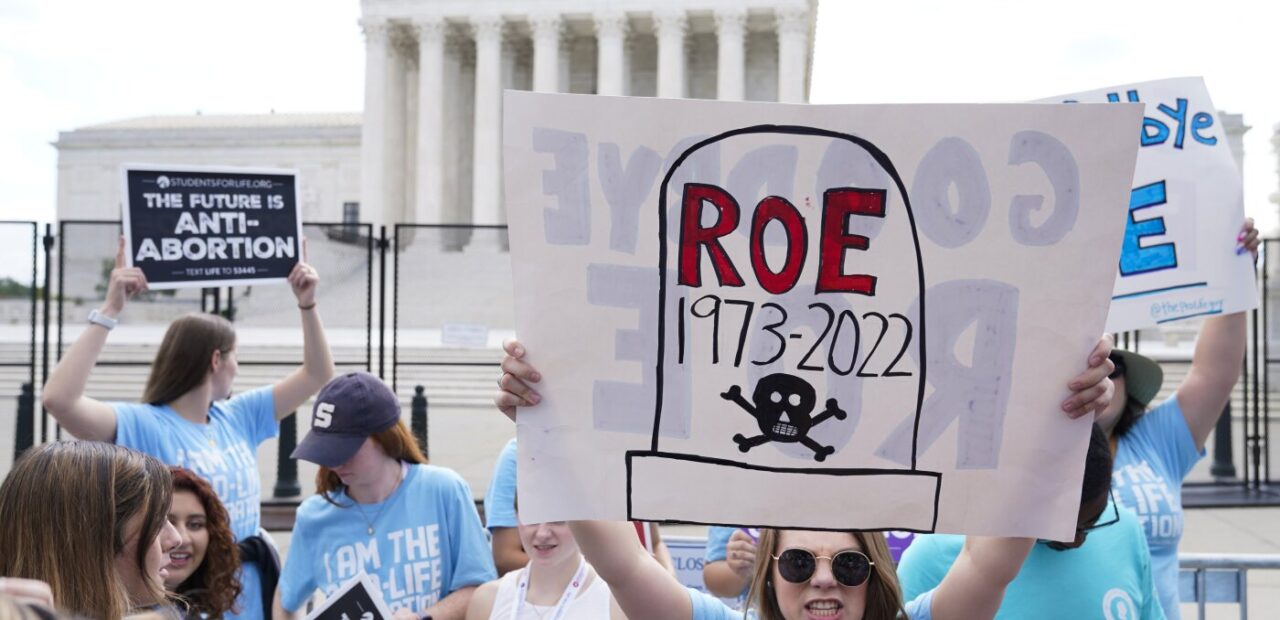
Four years after the Supreme Court overturned Roe v. Wade in the Dobbs v. Jackson Women’s Health decision on June 24, 2022, the number of abortions nationally has increased each year, according to a report by NPR. The report notes that while more than a dozen states banned abortion, access has expanded in states that support abortion through policy changes and “shield laws” that allow clinicians to prescribe medication abortion via telemedicine and mail pills to patients in restrictive states. Anti-abortion politics have become complicated, with President Trump’s coalition including independent voters who support abortion rights, while some activists push for reviving the 19th-century Comstock Act to restrict mailing abortion-related materials. Abortion rights advocates are exploring over-the-counter availability of abortion medication, and some providers offer pills to non-pregnant patients for at-home use. Privacy and stigma around abortion are evolving, with patients able to obtain pills online without visiting clinics, though new privacy concerns have emerged, including a case in Nebraska where police used Facebook messages to bring charges against a woman who gave her daughter abortion pills.
What’s reported
The Supreme Court overturned Roe v. Wade on June 24, 2022, in the Dobbs v. Jackson Women’s Health case.
The number of abortions nationally has increased each year since the Dobbs decision.
States with abortion bans have seen increased abortions due to telemedicine and mail-order pills under “shield laws.”
Justice Samuel Alito wrote in a recent dissent that telemedicine abortion undermines the Dobbs decision.
President Trump’s 2024 coalition included independent voters who support abortion rights.
Justice Clarence Thomas asserted in a dissent that the Comstock Act is in force and that drug companies manufacturing FDA-approved abortion medications are engaged in a “criminal enterprise.”
Texas passed a law allowing private citizens to sue out-of-state prescribers of abortion pills for $100,000.
Louisiana scheduled mifepristone and misoprostol as controlled substances and is suing the FDA to roll back telemedicine access to mifepristone.
Researchers at University of California San Francisco studied making abortion medication available over-the-counter.
A Planned Parenthood affiliate began offering abortion medication to non-pregnant patients for at-home use.
Police in Nebraska used Facebook messages to bring felony charges against a woman who gave her teenage daughter abortion pills.
Key figures
Justice Samuel Alito
Justice Clarence Thomas
President Trump
Elisa Wells of Plan C
Samantha Casiano
Kate Cox
Sources: NPR