


Supreme Court Roundup ruling clarifies legal preemption, not scientific causation

6 reported
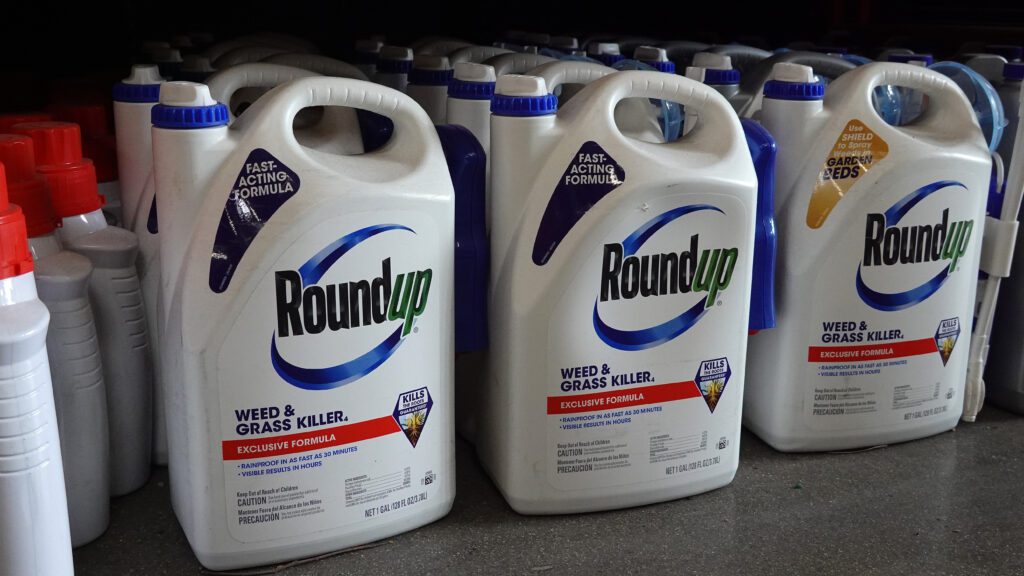
The Supreme Court ruled on Thursday that federal pesticide law preempts a state failure-to-warn claim when the Environmental Protection Agency has not required a cancer warning on a product label, handing Monsanto a major win in Roundup litigation. The ruling, in the case Monsanto v. Durnell, did not settle the scientific question of whether Roundup causes cancer, according to an opinion piece by epidemiologist Alex Smolak. Smolak argues that the case highlights a persistent confusion between legal and scientific standards of causation, noting that science asks population-level questions while law resolves individual disputes. The article notes that the International Agency for Research on Cancer classified glyphosate as probably carcinogenic in 2015, while the EPA and European Food Safety Authority have not reached the same conclusion. Smolak draws parallels to talc litigation and emerging social media lawsuits, emphasizing that jury verdicts, settlements, and regulatory decisions do not necessarily reflect scientific consensus. The piece calls for clearer distinctions in court rulings, expert testimony, and media coverage between legal findings and scientific conclusions.
What’s reported
The Supreme Court ruled that federal pesticide law preempts a state failure-to-warn claim when the EPA has not required a cancer warning on the product label.
The ruling was in the case Monsanto v. Durnell, decided on Thursday.
The article states the ruling did not settle whether Roundup causes cancer.
In 2015, IARC classified glyphosate as probably carcinogenic to humans.
The EPA and European Food Safety Authority have not reached the same conclusion under their regulatory frameworks.
The article notes that talc litigation and social media lawsuits involve similar confusion between legal and scientific causation.
Misconceptions
The article addresses the misconception that a legal ruling, jury verdict, or settlement is equivalent to a scientific finding of causation. It states that a Supreme Court preemption ruling is not the same as a scientific exoneration.
Key figures
Alex Smolak, Ph.D., epidemiologist with the Infectious Disease Epidemiology Group at Weill Cornell Medicine-Qatar
Sources: statnews.com