



First major hydropower projects in Great Britain in 40 years approved

7 reported
Great Britain’s first new major hydropower projects in more than 40 years have received provisional approval from the energy regulator. Three pumped storage hydroelectric power stations are planned for northern Scotland, using lochs as natural reservoirs. The projects are expected to be built by the early 2030s and would be the first such facilities since the Dinorwig plant in north Wales began operations in 1984. The regulator’s list includes 16 provisionally approved long-duration energy storage projects across England, Scotland, and Wales, most of which are lithium-ion battery projects. The energy minister stated the projects aim to reduce reliance on energy imports and volatile fossil fuel markets. The regulator said the infrastructure is intended to improve energy security and support renewable energy.
What’s reported
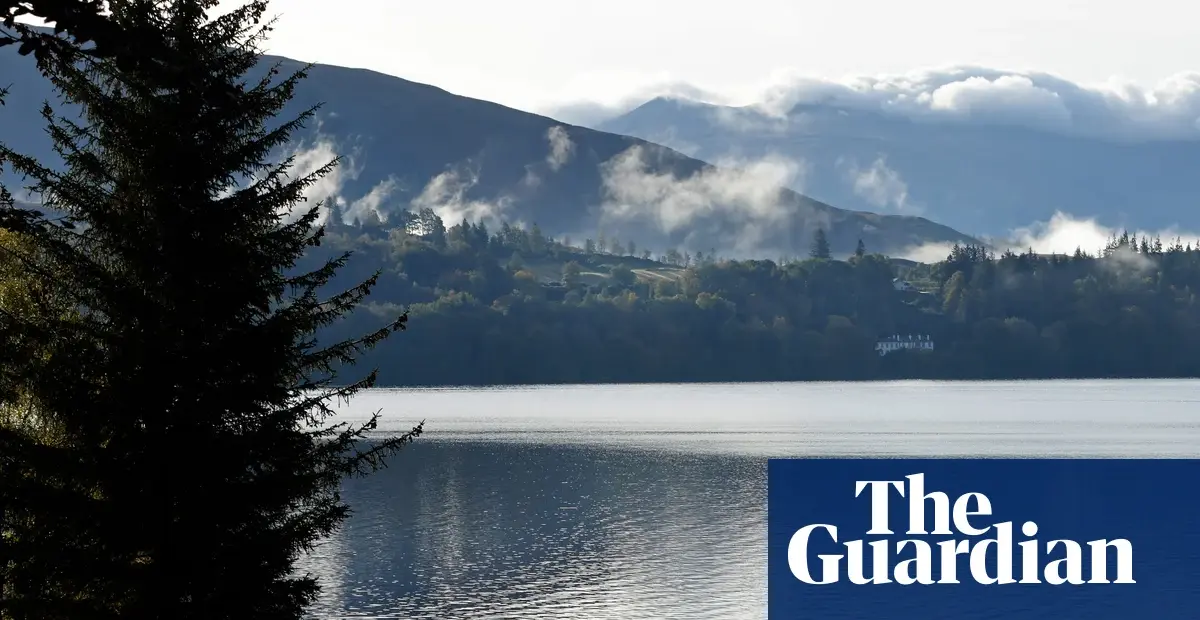
Three pumped storage hydroelectric power stations are planned in northern Scotland: Loch Kemp (Statera Energy, using Loch Ness), Coire Glas (SSE, using Loch Lochy), and Earba (Gilkes Energy, using Loch Leamhain and Loch Earba).
The projects are expected to be built by the early 2030s.
They will be the first pumped hydro power projects since Dinorwig in north Wales, which began operations in 1984.
The energy regulator (Ofgem) provisionally approved 16 long-duration energy storage projects across England, Scotland, and Wales.
Most approved projects are lithium-ion batteries; others include compressed air energy storage (TeesCAES) and vanadium redox flow batteries (Invinity Energy Systems).
Energy minister Michael Shanks said the projects are needed to reduce reliance on volatile fossil fuel markets.
Ofgem director general Akshay Kaul said the infrastructure will improve energy security and reduce reliance on global gas markets.
Key figures
Michael Shanks, energy minister
Akshay Kaul, director general for infrastructure at Ofgem
Statera Energy (developer of Loch Kemp)
SSE (developer of Coire Glas)
Gilkes Energy (developer of Earba)
TeesCAES (developer of compressed air energy storage)
Invinity Energy Systems (developer of vanadium redox flow battery)
Sources: The Guardian