


Venezuela doublet earthquakes: 7.1 and 7.5 magnitude strike 39 seconds apart

11 reported2 unconfirmed
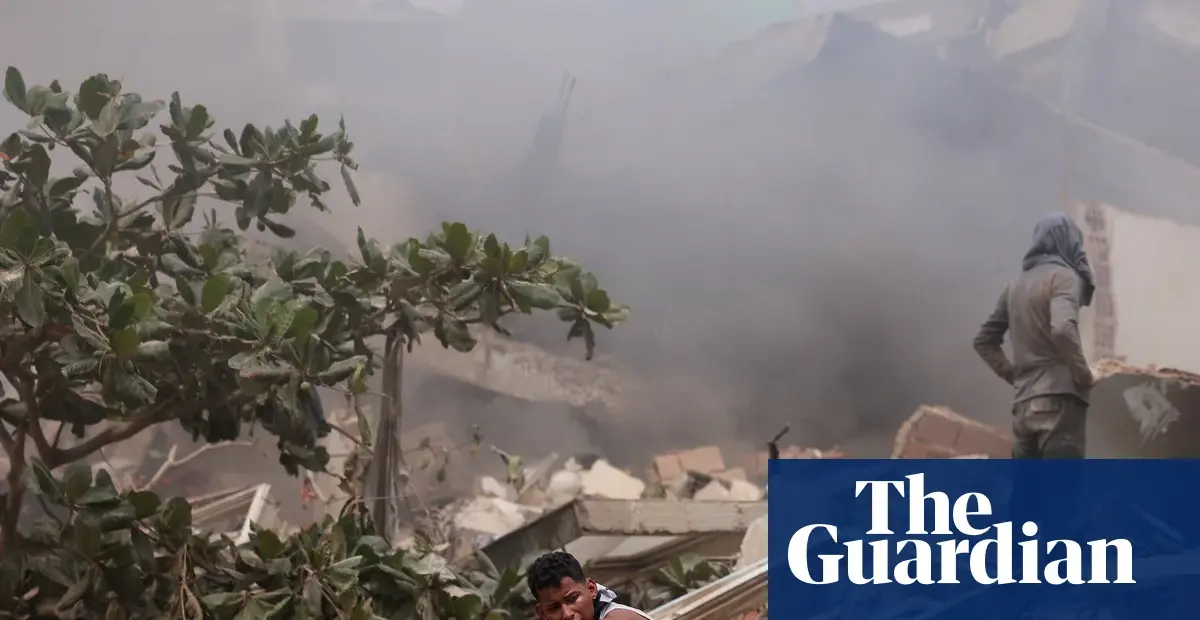
A pair of earthquakes struck Venezuela on Wednesday, with the second temblor beginning just 39 seconds after the first, according to the U.S. Geological Survey. The USGS described the 7.1-magnitude and 7.5-magnitude quakes as a doublet sequence, a phenomenon where two similar-magnitude earthquakes hit the same area at nearly the same time. The rapid back-to-back shaking likely caused more destruction, with at least 188 people killed, at least 1,520 injured, and more than 150 still missing. The doublet occurred on a complex fault system near San Felipe, Venezuela, along the boundary between the South American and Caribbean tectonic plates. Seismologists are debating whether to classify the event as two separate earthquakes or one earthquake with multiple pulses of energy. Researchers say the area had likely been accumulating stress for more than two centuries, as no magnitude-7-plus earthquake had occurred along that fault since possibly 1812.
What’s reported
The second earthquake began 39 seconds after the first.
The USGS described the pair as a doublet sequence: a 7.1-magnitude and a 7.5-magnitude.
At least 188 people were killed, at least 1,520 injured, and more than 150 are missing.
The doublet occurred on a complex fault system near San Felipe, Venezuela.
The ruptures happened along the boundary between the South American and Caribbean tectonic plates.
The Caribbean plate is moving eastward relative to the South American plate at about 20 millimeters per year.
Both earthquakes were strike-slip, according to initial data.
A 1999 study found doublets occurred in about 22% of earthquakes magnitude 7.5 or above.
Venezuela experienced doublet earthquakes in 2025 (magnitudes 6.2 and 6.3) that killed one person and caused over 110 injuries.
In 2023, doublet 7.8 and 7.5 earthquakes struck southern Turkey and Syria, killing more than 3,000 people.
No magnitude-7-plus earthquake had occurred along that fault since possibly 1812.
Open questions
Which specific faults within the complex system ruptured on Wednesday.
Whether the sequence is definitively classified as a doublet or a single earthquake with multiple pulses.
Key figures
Harold Tobin, director of the Pacific Northwest Seismic Network and professor at the University of Washington
Maria Beatrice Magnani, professor of seismology at Southern Methodist University
Sources: NBC News