



Iran Deal Announced, Strait of Hormuz Reopening Faces Delays

12 reported3 unconfirmed
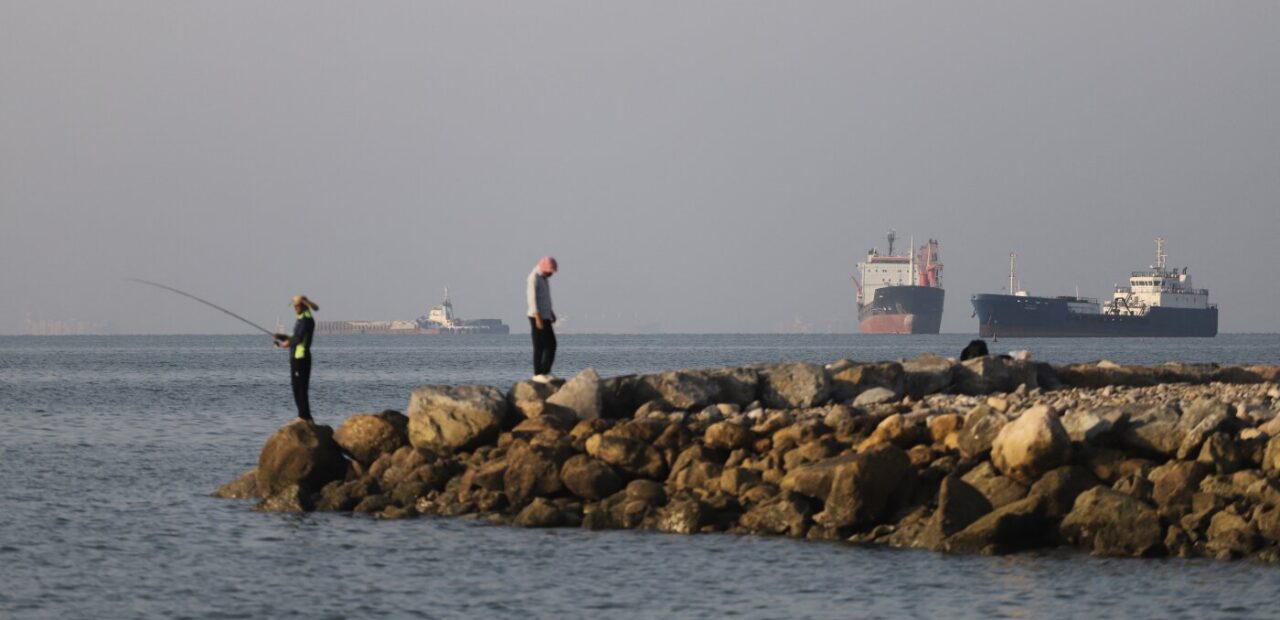
An agreement to extend a ceasefire and reopen the Strait of Hormuz was announced, with President Trump stating merchant ships could sail unimpeded starting Friday. However, industry analysts report that about 1,500 ships remain stuck inside the Persian Gulf waiting to leave. Before the U.S. and Israel waged war against Iran at the end of February, 140 ships passed through the Strait daily. The attacks led Iran to close the Strait by firing drones and missiles at ships and laying mines, according to U.S. officials. The U.S. has already started removing some mines and opened a new pathway off Oman, with Britain and France now joining demining efforts. A U.S. official said an increased number of commercial ships are already transiting the southern route, with up to 25 ships per day, and expects full opening by Friday. However, a shipping industry spokesman expressed doubt that merchant ships would quickly resume transit, citing ongoing risks and the need for gradual confidence-building.
What’s reported
An agreement to extend a ceasefire and reopen the Strait of Hormuz was announced.
President Trump said merchant ships can sail unimpeded starting Friday.
About 1,500 ships are stuck inside the Persian Gulf waiting to leave, according to industry analysts.
Before the U.S. and Israel waged war against Iran at the end of February, 140 ships passed through the Strait daily.
Iran closed the Strait by firing drones and missiles at ships and laying mines, per U.S. officials.
The U.S. has started removing mines and opened a new pathway off Oman.
Britain and France will take part in demining, Prime Minister Keir Starmer said.
A U.S. official said up to 25 ships per day are already transiting the southern route, expecting 40 to 50 quickly.
The official said the Strait will return to normal within 30 days.
A shipping industry spokesman doubted quick resumption, citing risks and need for confirmation of mine-free areas and agreement holding.
Iran's Foreign Ministry spokesman said vessels will pay "service fees" not tolls.
A U.S. Naval War College chair said international law does not allow charging for passage through a natural waterway.
Open questions
How quickly commercial ships will actually resume transit through the Strait of Hormuz.
Whether the Trump administration will consider Iran's "service fees" equivalent to tolls.
Whether any ship owners paid the toll set up by the Iranian Revolutionary Guard Corps in March.
Key figures
President Trump
Vice President JD Vance
Capt. Tim Hawkins, spokesman for U.S. Central Command
Prime Minister Keir Starmer
Scott Savitz, senior engineer at the RAND School of Public Policy
Tom Bartošák-Harlow, spokesman for the International Chamber of Shipping
Esmaeil Baqaei, spokesman for Iran's Foreign Ministry
James R. Holmes, chair of maritime strategy at the U.S. Naval War College
Sources: NPR