


10 Years After Brexit Vote, Economic Costs and Consumer Frustration Grow

9 verified5 unconfirmed
A decade after the United Kingdom voted to leave the European Union, multiple reports confirm that the decision has increased costs and complexities for both businesses and consumers. The UK economy has faced sluggish growth, and surveys indicate that a growing share of the public believes Brexit has gone worse than expected. Both sources note that trade with the EU has become more expensive and time-consuming due to new customs rules and the end of free movement of goods and labor. The price of food has risen significantly, and everyday activities such as traveling with pets, using mobile phones abroad, and sending parcels to EU countries now involve higher fees and paperwork. Business leaders across sectors, including carmakers and small manufacturers, say the promised benefits of Brexit have not materialized, though some continue to support leaving the EU. Prime Minister Keir Starmer has begun talks with the EU to rebuild a closer relationship in an effort to stimulate the economy.
What’s verified
Brexit has made trade between the UK and the EU more costly and bureaucratic for businesses and consumers.
The UK economy has underperformed relative to pre-Brexit expectations, with weak growth and high taxes.
A survey conducted in May 2026 found that 48% of Britons said Brexit is going worse than they expected, up from 28% in March 2021.
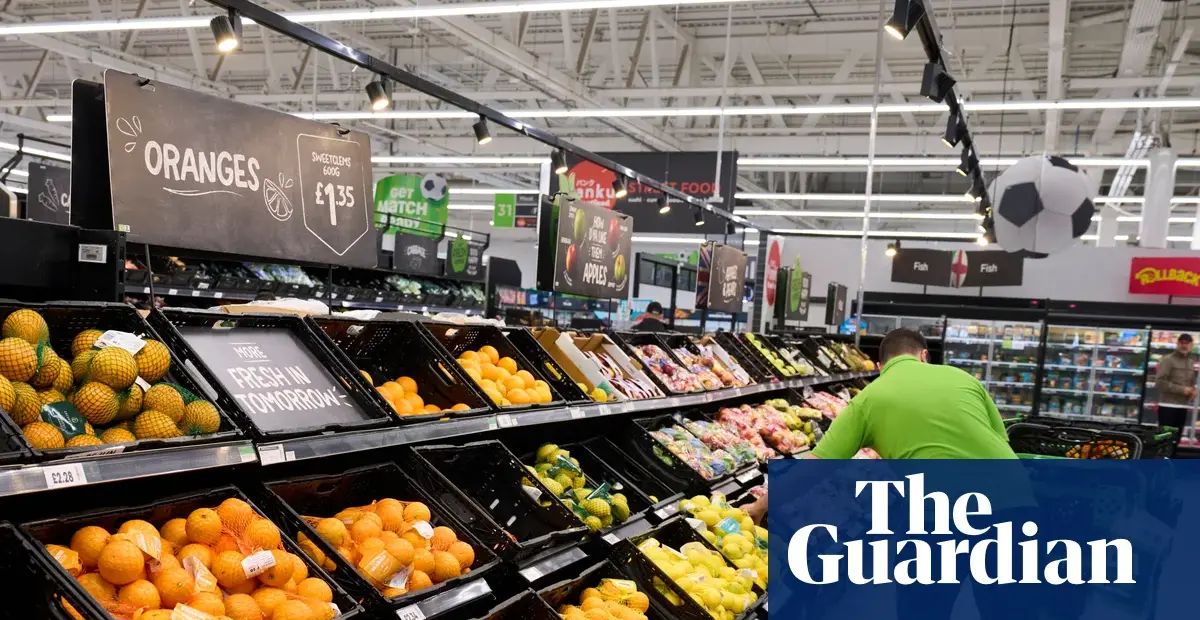
The cost of food in the UK rose by 12% due to trade barriers, costing the average family an estimated £400 between 2019 and 2023.
Sending parcels from Great Britain to EU countries now requires customs declaration forms, and taxes or duties may be due on goods.
Pet travel to the EU has become more expensive, with animal health certificates costing an average of £230 compared to the previous £60 pet passport.
Mobile roaming charges for UK users in EU countries have been reintroduced by several providers since Britain formally left the bloc.
Since Brexit, UK passports need to have been issued within the past 10 years to be valid for EU travel, affecting some older documents.
The UK's car industry has faced reduced investment because international manufacturers are less likely to see Britain as an attractive entry point to the European market.
Not yet confirmed
The article from ABC News reports that the UK has signed dozens of trade deals with other countries, while the Guardian article mentions a planned food export agreement with the EU that could reduce costs by summer 2027. Neither source provides a comprehensive comparison of the impact of these deals.
The Guardian article notes that the UK has not rejoined the Erasmus+ student exchange program, but that rejoining is planned for January 2027. The ABC News article does not mention Erasmus+.
The ABC News article reports that Brexit has reduced Britain's GDP by 6% to 8%, investment by 12% to 13%, and productivity by 3% to 4%, according to a study by the National Bureau of Economic Research. The Guardian article does not cite these figures.
The Guardian article states that the UK will rejoin the Erasmus+ scheme from January 2027, but it is unclear if negotiations are finalized.
It remains unclear whether the planned food export agreement with the EU will fully mitigate the reported 12% increase in food prices.
Key figures
Simon Boyd – managing director of REIDSteel
Mike Hawes – head of the Society of Motor Manufacturers and Traders
Creon Butler – director of the global economy and finance program at Chatham House
Oli Khan – president of the Bangladesh Caterers Association UK
Keir Starmer – Prime Minister of the United Kingdom
Ofcom – UK communications regulator
British Veterinary Association
Sources: The Guardian, abcnews.com